Finja Petersen - Hochschule Niederrhein
Stoffwechsel – Hochschule Niederrhein
The concept of textile “metabolism” views clothing as a living system that is in a state of constant transformation. Much like in natural cycles, where nothing is lost but merely changes form, textile material is also constantly shiftingbetween temporary states, taking the form of fabrics, yarns, or fibers. The states of matter in nature serve as a frame of reference for these textile states: they define the material’s appearance and serve as inspiration for the designs’ forms.
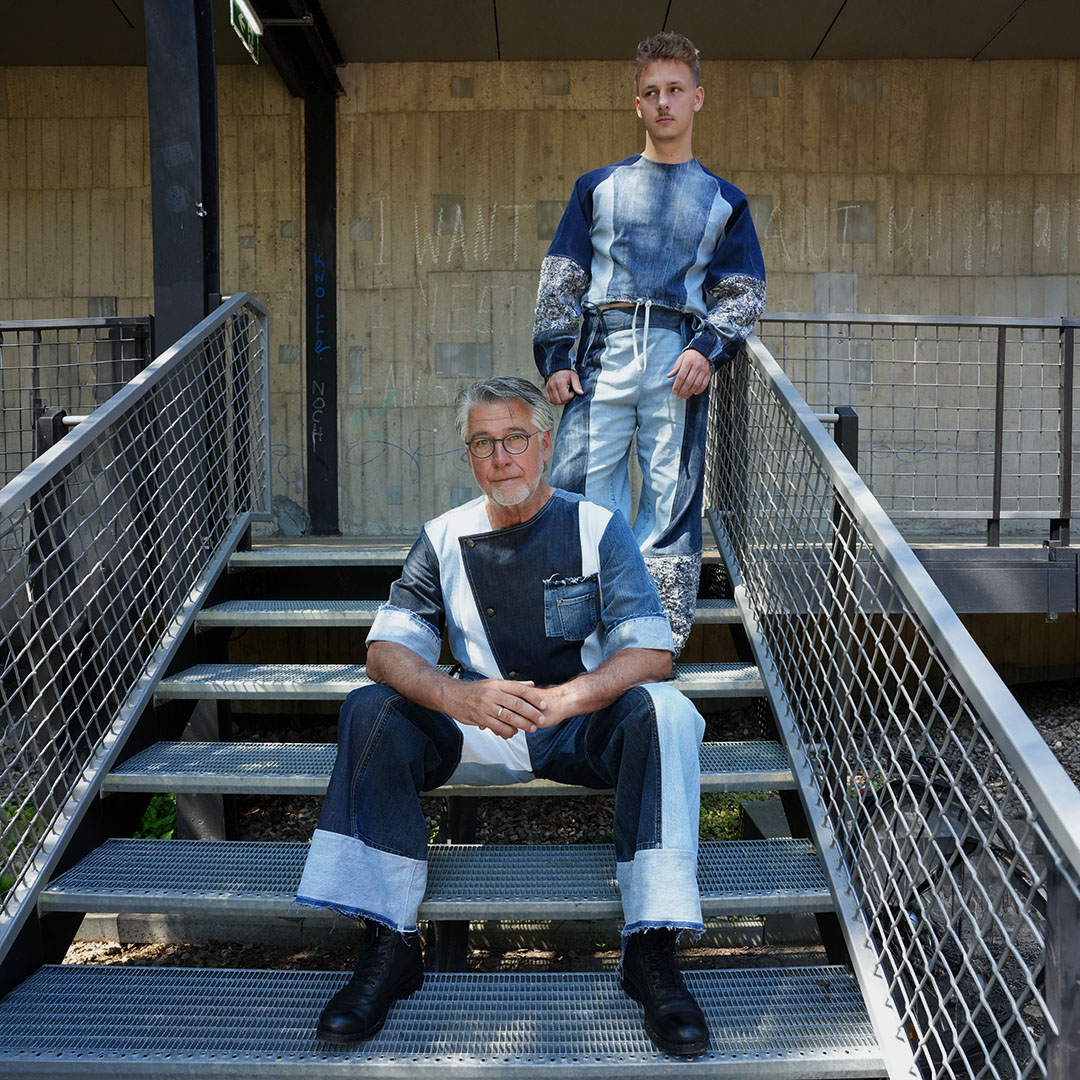
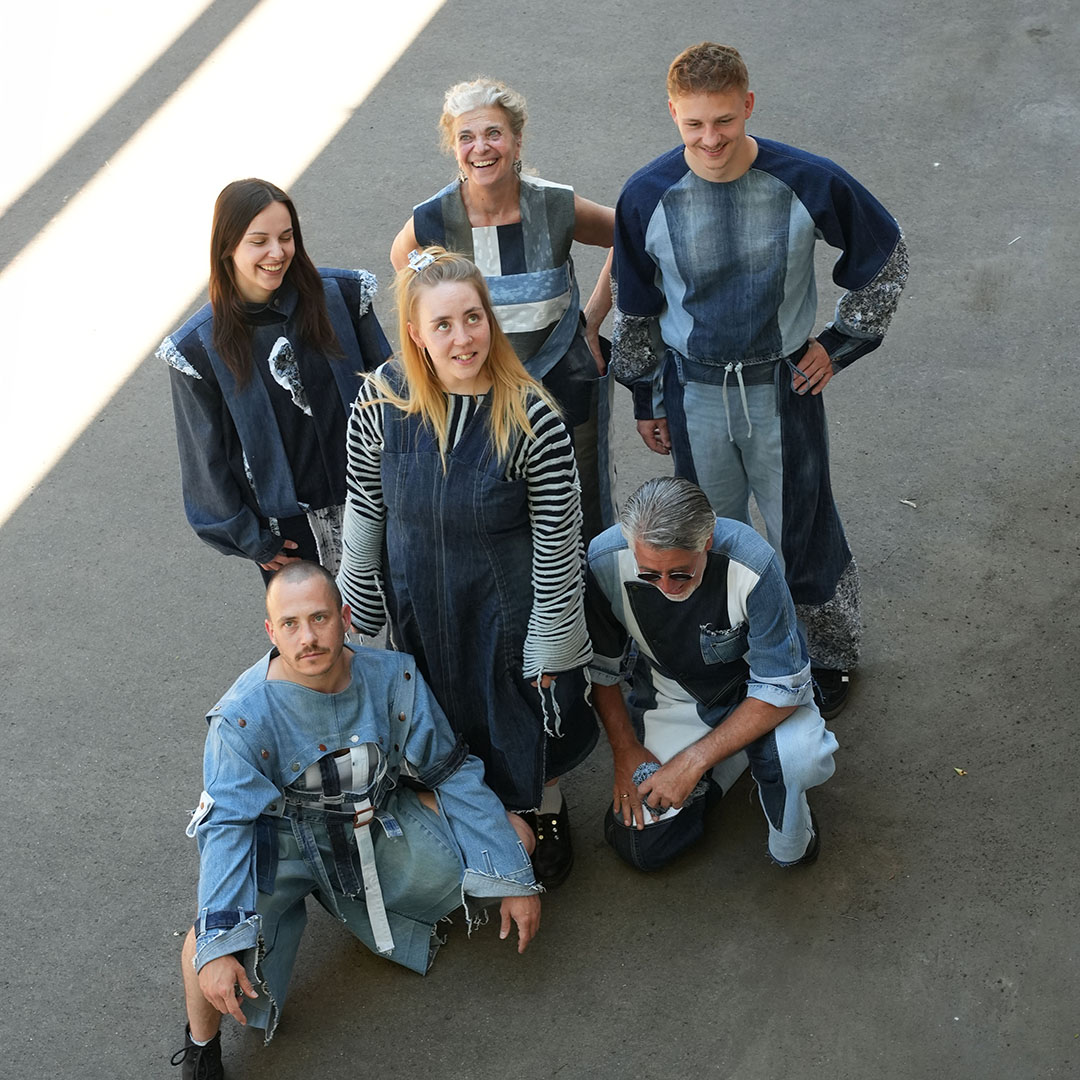
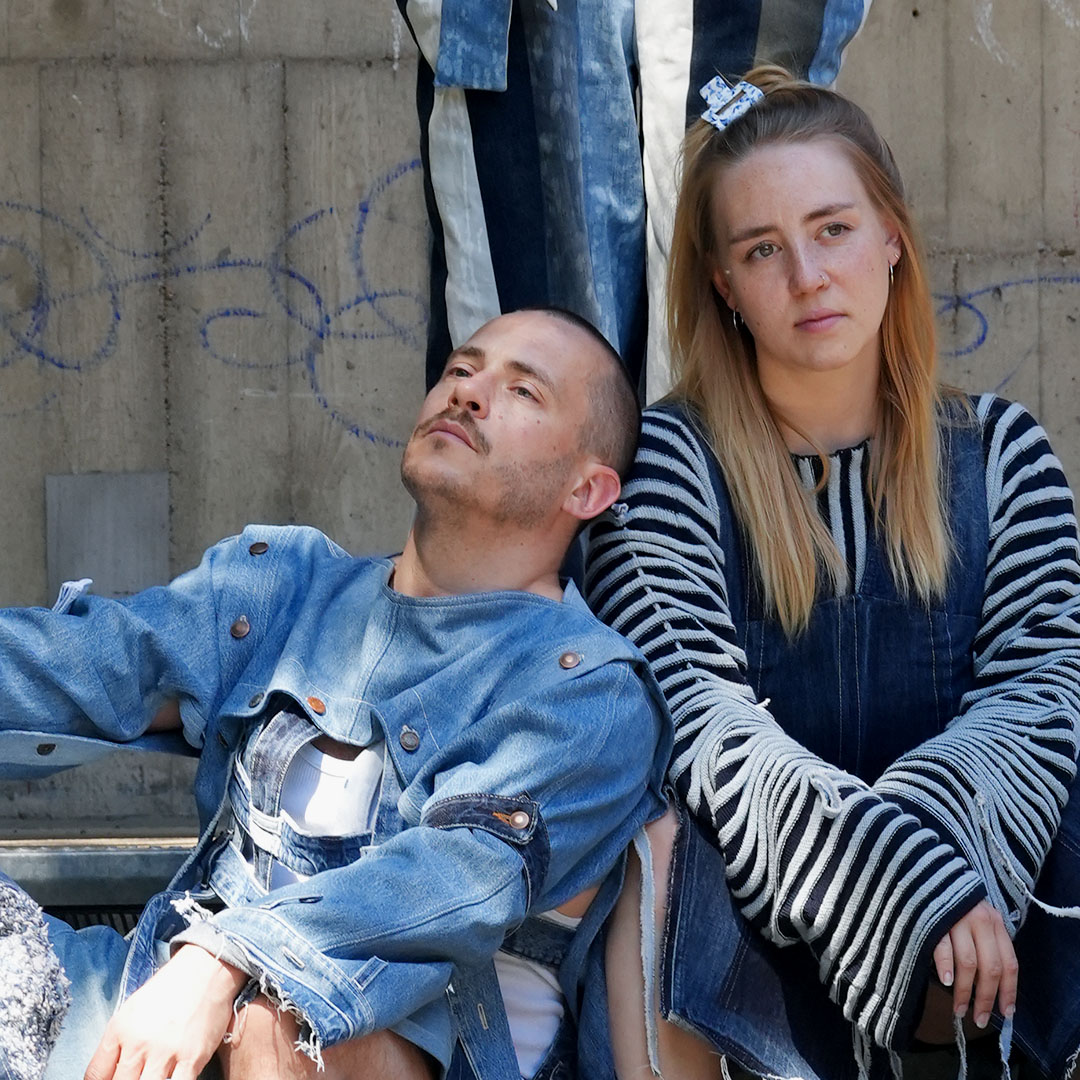
The collection’s raw material consists of discarded denim products, which have been reused and reworked using various techniques. Their signs of wear are not viewed as flaws, but rather as visible evidence of a previous life and serve as a starting point for transformation and recontextualization. Mechanical recycling plays a special role: the recovered fiber material, supplemented with virgin cotton fibers, was spun into bespoke yarns and used in the knitted pieces of the collection.
The collection follows a zero-waste approach and, through its gender-neutral and modular designs, is aimed at a diverse range of users. By combining the familiar aesthetic of classic denim products with an intentional focus on imperfection, surface heterogeneity, and asymmetry, the collection develops a distinctive character that clearly sets itself apart from uniform, mass-produced goods and is intended to make a statement against overproduction.
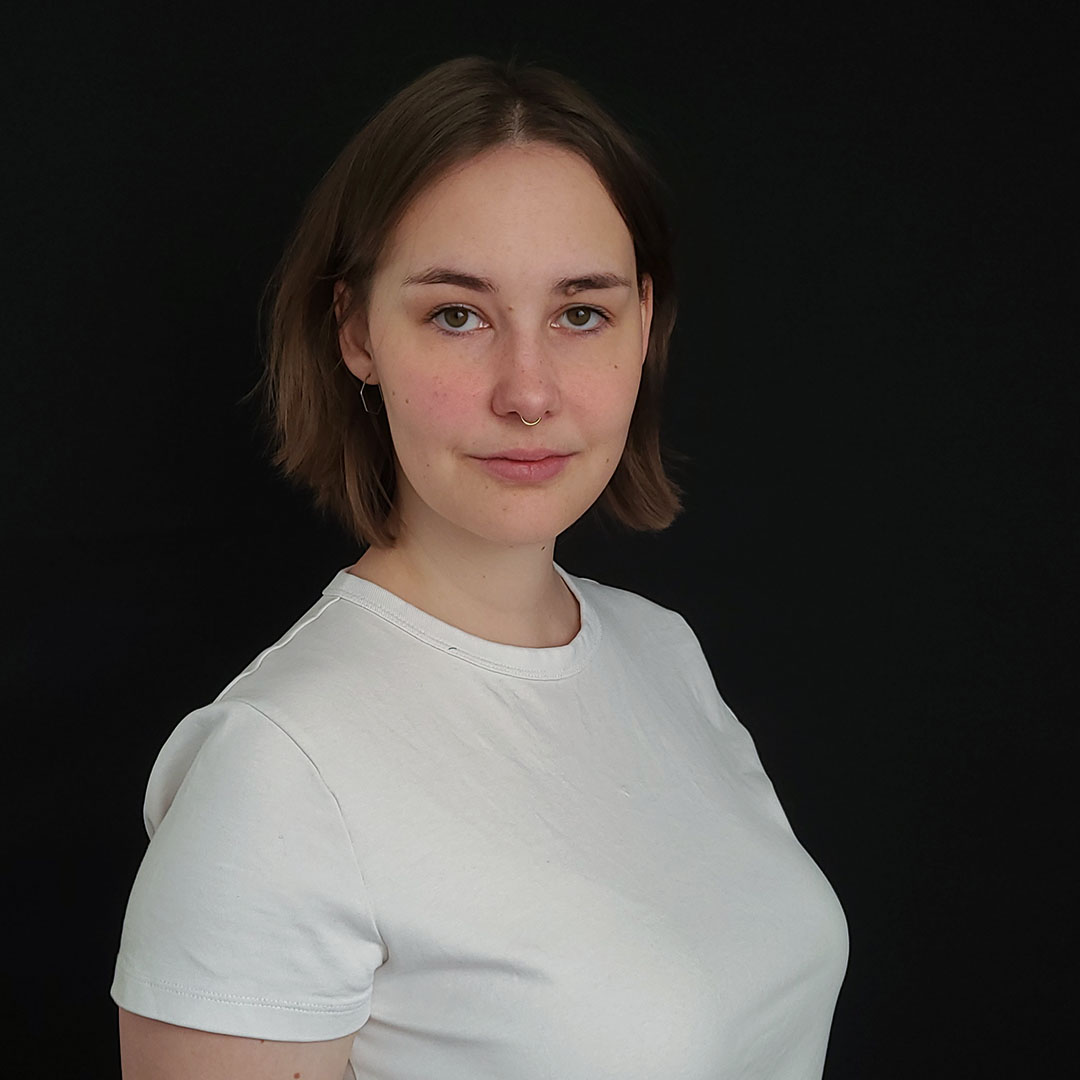
Creativity has been a part of my life ever since I first tried my hand at my own projects as a child on my grandmother’s sewing machine. My journey so far has taken me through an apprenticeship as a tailor, professional work experience, and finally to the Niederrhein University of Applied Sciences. There, I chose to combine the Design Engineering and Product Development programs to further develop both my creative and technical skills. I used my time as a student to build practical experiences in various fields—such as knitting, spinning, and pattern design—and to gain a solid understanding of the interconnections and processes throughout the industry. In the process, the topic of sustainability has become increasingly important to me. In light of resource consumption, overproduction, and consumer behavior, I believe a fundamental shift in thinking is necessary—one that must already influence the design and product development process.
Foto:Alex Giese (@bachata_ex)
Models: Anika Petersen (@aninakini), Lasse Petersen (@lasse.pe99), Jan Patrick Meister (@dehr_meister), Josefine Müller (@finemiller), Martina Lichtblau, Uwe Neußel